Welcome to Oak Peptides. Kenya's Trusted Peptide & Biotechnology Partner

Recent Comments

No comments to show.

Categories

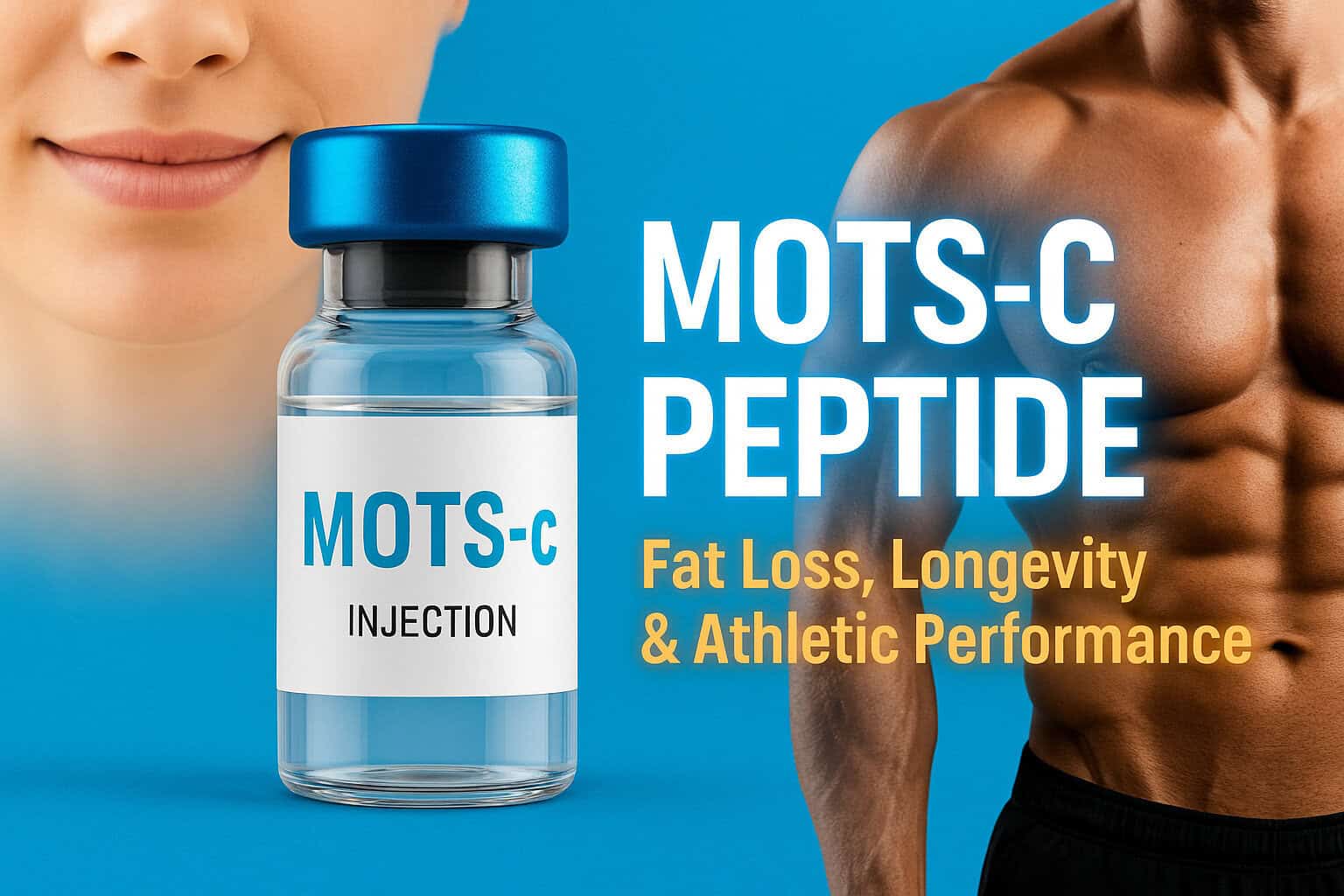
MOTS-c Peptide: Complete Guide to Benefits, Dosage, Injection Sites, Side Effects & Expected Results

MOTS-c Peptide: Complete Guide to Benefits, Dosage, Injection Sites, Side Effects & Expected Results

What Is MOTS-c? MOTS-c (Mitochondrial Open Reading Frame of the 12S rRNA-c) is a naturally occurring mitochondrial-derived peptide (MDP) discovered in 2015. Unlike most peptides, which are encoded by nuclear DNA, MOTS-c is encoded within mitochondrial DNA and functions as a signaling molecule involved in energy metabolism, cellular stress adaptation, and metabolic regulation. MOTS-c has


SS-31 (Elamipretide): Complete Guide to Benefits, Dosage, Injection Sites, Side Effects & Expected Results

SS-31 (Elamipretide): Complete Guide to Benefits, Dosage, Injection Sites, Side Effects & Expected Results

What Is SS-31? SS-31, also known as Elamipretide, MTP-131, or Bendavia, is a synthetic tetrapeptide specifically designed to target mitochondria—the energy-producing structures found inside every cell of the body. Unlike many peptides that act through hormones or growth factors, SS-31 works directly within the inner mitochondrial membrane by binding to a phospholipid called cardiolipin, helping

GHK-Cu (Copper Peptide): Complete Guide to Benefits, Dosage, Injection Sites, Side Effects & Expected Results

GHK-Cu (Copper Peptide): Complete Guide to Benefits, Dosage, Injection Sites, Side Effects & Expected Results

What Is GHK-Cu (Copper Peptide)? GHK-Cu, commonly known as Copper Peptide, is a naturally occurring tripeptide composed of three amino acids: Glycine Histidine Lysine When this peptide binds to a copper ion, it forms the biologically active compound known as GHK-Cu (Glycyl-L-Histidyl-L-Lysine Copper). Discovered in 1973, GHK-Cu is found naturally in human plasma, saliva, and