


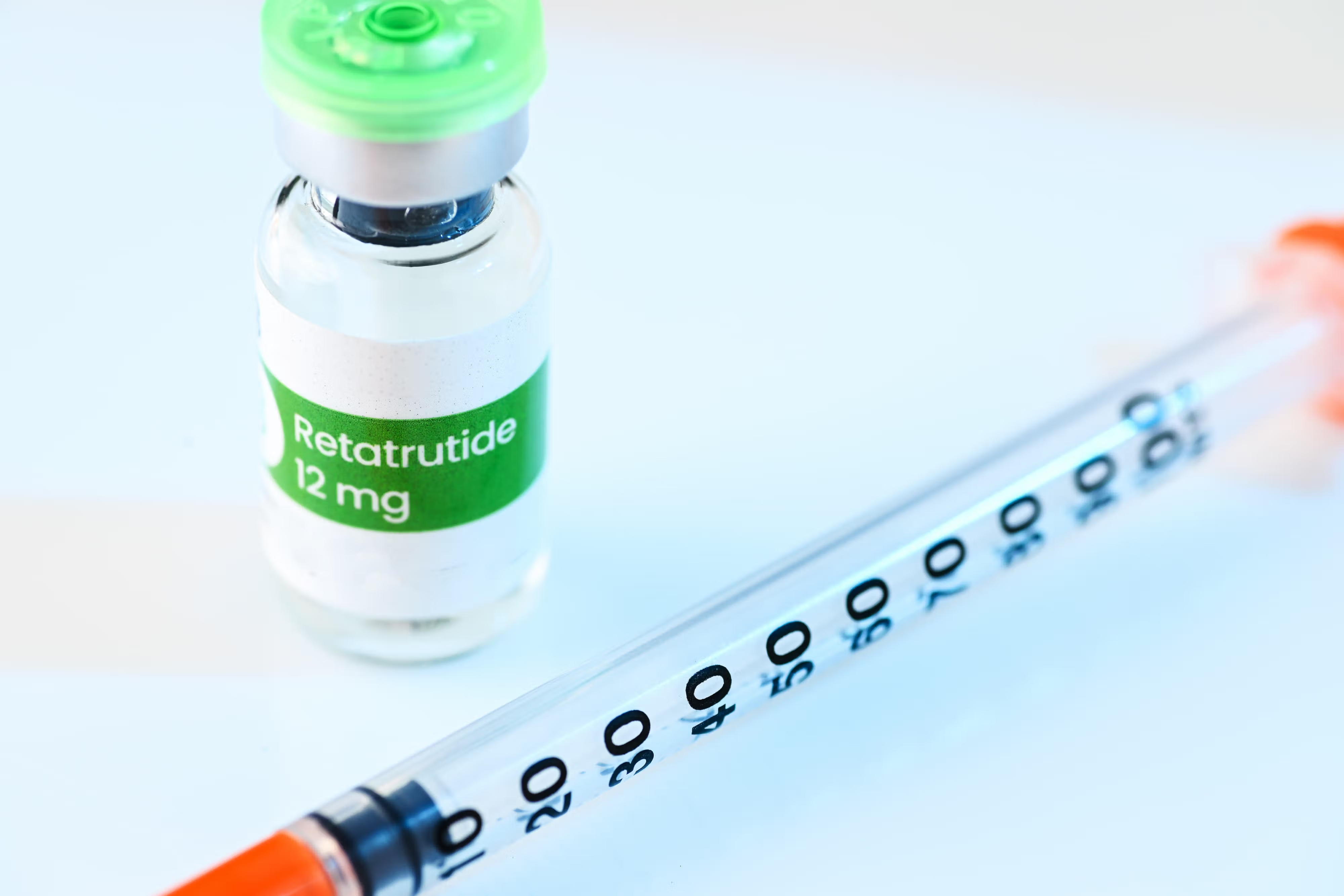
Retatrutide for Type 2 Diabetes: Complete Guide to Benefits, Dosage, Injection Sites, Side Effects & Expected Results
What Is Retatrutide?
Retatrutide is a next-generation investigational peptide developed for the management of obesity, metabolic dysfunction, and Type 2 diabetes.
Unlike traditional diabetes medications that target a single hormone pathway, Retatrutide is a triple hormone receptor agonist that activates:
✔ GLP-1 (Glucagon-Like Peptide-1)
✔ GIP (Glucose-Dependent Insulinotropic Polypeptide)
✔ Glucagon Receptors
This unique triple-action mechanism has made Retatrutide one of the most promising metabolic therapies currently being studied.
Clinical research suggests Retatrutide may support:
- Blood glucose management
- Weight reduction
- Insulin sensitivity
- Metabolic health
- Cardiometabolic risk factors
How Retatrutide Works
Retatrutide works through three complementary pathways.
1. GLP-1 Receptor Activation
GLP-1 helps:
✔ Support insulin release when glucose levels rise
✔ Slow stomach emptying
✔ Reduce appetite
✔ Promote feelings of fullness
2. GIP Receptor Activation
GIP may:
✔ Enhance insulin response
✔ Support glucose metabolism
✔ Improve metabolic flexibility
✔ Complement GLP-1 activity
3. Glucagon Receptor Activation
The glucagon component may:
✔ Increase energy expenditure
✔ Promote fat utilization
✔ Support metabolic rate
✔ Enhance overall weight-loss effects
This triple mechanism is what distinguishes Retatrutide from earlier GLP-1 therapies.
Potential Benefits of Retatrutide for Type 2 Diabetes
Blood Sugar Management
Clinical studies have demonstrated substantial reductions in HbA1c levels.
Potential benefits include:
✔ Improved glucose control
✔ Lower fasting blood sugar levels
✔ Improved post-meal glucose management
✔ Better overall glycemic control
Weight Reduction
Excess weight is one of the biggest drivers of insulin resistance.
Research has shown Retatrutide may produce significant body-weight reductions.
Potential benefits include:
✔ Reduced body weight
✔ Reduced visceral fat
✔ Improved metabolic health
✔ Enhanced insulin sensitivity
Improved Insulin Sensitivity
Retatrutide may help improve how effectively the body responds to insulin.
Potential benefits include:
✔ Improved glucose utilization
✔ Reduced insulin resistance
✔ Better metabolic flexibility
✔ Improved energy metabolism
Cardiometabolic Health Support
Research has also observed improvements in several cardiometabolic markers.
Potential benefits may include:
✔ Improved blood pressure markers
✔ Improved lipid profiles
✔ Reduced waist circumference
✔ Enhanced metabolic wellness
Retatrutide Dosage
Important Notice
Retatrutide remains investigational.
There is currently no universally approved dosing protocol outside clinical research programs.
Clinical trials have evaluated weekly dosing regimens that gradually increase over time to improve tolerability.
Example Titration Protocols Used in Research
Week 1–4:
- 1–2 mg weekly
Week 5–8:
- 2–4 mg weekly
Week 9–12:
- 4–8 mg weekly
Advanced clinical research:
- Up to 12 mg weekly
Dosing should only be determined by a qualified healthcare professional.
Where To Inject Retatrutide
Retatrutide is typically administered as a subcutaneous injection.
Abdomen
Most common injection site.
Inject into fatty tissue around the stomach.
Thigh
Front or outer thigh region.
Upper Arm
Back portion of the upper arm.
Injection Site Rotation
Rotate injection locations regularly to reduce:
✔ Irritation
✔ Bruising
✔ Swelling
✔ Discomfort
Best Time to Take Retatrutide
Because Retatrutide is generally administered once weekly, timing is flexible.
Most users choose:
✔ Same day each week
✔ Morning or evening
✔ Consistent schedule
Food intake generally does not affect administration.
What To Expect During Treatment
Weeks 1–4
Common early effects include:
✔ Reduced appetite
✔ Increased fullness after meals
✔ Reduced food cravings
✔ Initial blood sugar improvements
Some gastrointestinal side effects may occur during this phase.
Weeks 4–12
Many users may begin noticing:
✔ More stable glucose readings
✔ Reduced calorie intake
✔ Weight reduction
✔ Improved energy levels
Months 3–12
Longer-term outcomes observed in clinical studies include:
✔ Significant weight loss
✔ Improved HbA1c
✔ Improved insulin sensitivity
✔ Enhanced metabolic health
Individual results vary significantly.
Side Effects of Retatrutide
The most common side effects reported in clinical trials are gastrointestinal.
Common Side Effects
Nausea
Most frequently reported side effect.
Vomiting
Typically more common during dose escalation.
Diarrhea
May occur during early treatment.
Constipation
Reported by some individuals.
Stomach Discomfort
Including bloating and abdominal pain.
Reduced Appetite
Often considered part of the intended therapeutic effect.
Injection Site Reactions
Potential reactions include:
✔ Redness
✔ Itching
✔ Swelling
✔ Mild discomfort
Less Common Side Effects
✔ Dizziness
✔ Fatigue
✔ Headache
✔ Acid reflux
✔ Temporary dehydration from gastrointestinal symptoms
Who May Be a Candidate?
Research has focused primarily on:
Adults with Type 2 Diabetes
Particularly those with:
- Elevated HbA1c
- Insulin resistance
- Excess body weight
Individuals with Obesity
Especially those with metabolic syndrome and cardiometabolic risk factors.
Retatrutide vs Semaglutide
Retatrutide
✔ Triple agonist
✔ GLP-1 + GIP + Glucagon
✔ Investigational
✔ Potentially greater weight-loss effects in trials
Semaglutide
✔ GLP-1 agonist only
✔ Approved in many countries
✔ Extensive real-world experience
✔ Established diabetes treatment
Retatrutide vs Tirzepatide
Retatrutide
✔ Triple agonist
✔ Includes glucagon receptor activity
✔ Investigational
Tirzepatide
✔ Dual agonist
✔ GLP-1 + GIP
✔ Approved in multiple jurisdictions
Both therapies have shown strong metabolic benefits in clinical research.
Frequently Asked Questions
Is Retatrutide Approved for Diabetes?
Regulatory status varies by country. Retatrutide remains investigational in many regions and continues to be evaluated in large clinical trials.
Does Retatrutide Lower Blood Sugar?
Clinical studies indicate Retatrutide can significantly improve blood glucose control and reduce HbA1c levels.
Can Retatrutide Help With Weight Loss?
Research has demonstrated substantial weight-loss effects alongside improvements in metabolic health.
How Often Is Retatrutide Taken?
Most clinical studies have utilized once-weekly subcutaneous injections.
Why Choose Oak Peptides Pharmaceuticals?
At Oak Peptides Pharmaceuticals, we are committed to providing premium-quality peptide products supported by scientific education and exceptional customer service.
✔ Premium Quality Standards
✔ Nationwide Delivery Across Kenya
✔ Expert Customer Support
✔ Trusted Wellness Supplier
✔ Advanced Biotechnology Solutions
✔ Commitment to Excellence