


KPV Peptide: Complete Guide to Benefits, Dosage, Injection Sites, Side Effects & Expected Results
What Is KPV?
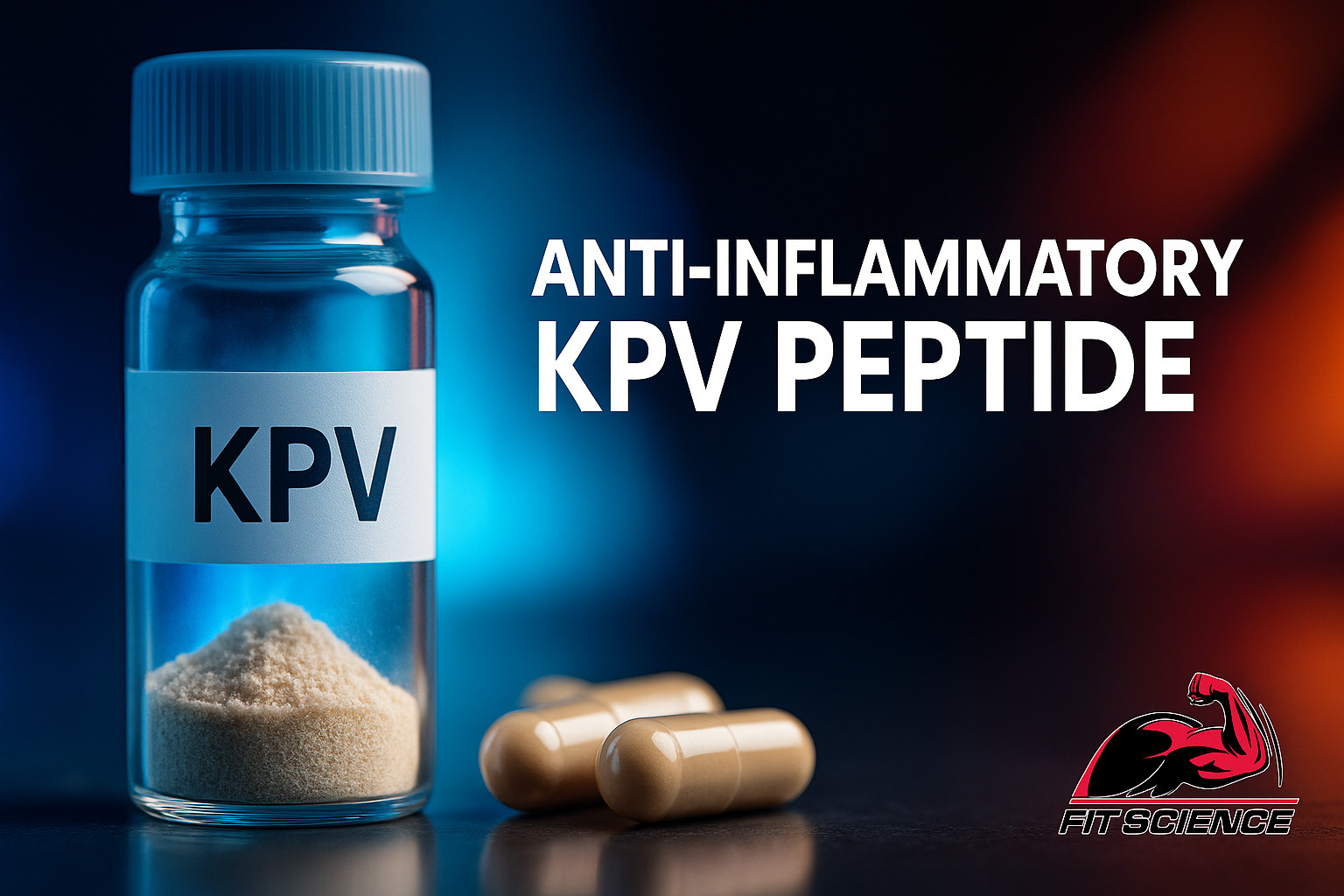
KPV (Lysine-Proline-Valine) is a naturally occurring tripeptide consisting of three amino acids: lysine, proline, and valine. It is derived from the final three amino acids of alpha-melanocyte stimulating hormone (α-MSH), a naturally occurring hormone involved in inflammation regulation and immune function. KPV has attracted significant research interest because it appears to retain many of the anti-inflammatory properties of α-MSH without affecting skin pigmentation or hormonal pathways.
KPV is primarily being studied for its potential role in gut health, immune regulation, skin wellness, tissue repair, and inflammatory pathway modulation. However, it is important to note that most evidence currently comes from laboratory and animal studies, with limited human clinical research available.
How KPV Works
Research suggests KPV works by influencing several inflammatory pathways within the body.
NF-κB Inhibition
KPV appears to suppress NF-κB signaling, one of the body’s primary inflammatory pathways.
Potential effects include:
✔ Support for healthy inflammatory responses
✔ Reduced inflammatory signaling
✔ Improved tissue recovery environments
✔ Enhanced cellular balance
Gut Barrier Support
Research suggests KPV may help support intestinal barrier integrity and gastrointestinal wellness.
Potential benefits include:
✔ Gut lining support
✔ Intestinal wellness
✔ Digestive health support
✔ Gastrointestinal recovery pathways
Immune System Modulation
Unlike traditional immune suppressants, KPV is being studied for its ability to help regulate immune responses rather than broadly suppress them.
Potential benefits include:
✔ Immune balance
✔ Healthy inflammatory responses
✔ Tissue protection
✔ Wellness support
Benefits of KPV
1. Gut Health Support
One of the most researched applications of KPV involves gastrointestinal health.
Potential benefits include:
✔ Supports gut barrier integrity
✔ Promotes digestive wellness
✔ Supports intestinal health
✔ Helps maintain gastrointestinal comfort
Most supporting evidence comes from animal models of colitis and gut inflammation.
2. Inflammation Support
KPV is primarily known for its anti-inflammatory research profile.
Potential benefits include:
✔ Healthy inflammatory balance
✔ Recovery support
✔ Wellness optimization
✔ Tissue support
3. Skin Health Support
Research has explored KPV in skin-related applications.
Potential benefits include:
✔ Skin wellness support
✔ Reduced appearance of irritation
✔ Tissue repair support
✔ Healthy skin maintenance
4. Recovery & Tissue Support
KPV is often included in recovery-focused peptide protocols.
Potential benefits include:
✔ Recovery support
✔ Tissue repair pathways
✔ Connective tissue wellness
✔ Physical wellness support
5. Antimicrobial Activity
Laboratory studies suggest KPV may possess antimicrobial properties against certain microorganisms.
Potential benefits include:
✔ Support for skin health
✔ Support for gut health
✔ Microbial balance support
Research remains preliminary.
KPV Dosage
Important Notice
There is currently no FDA-approved dosing protocol for KPV, and human clinical data remains limited. Most dosing recommendations circulating online originate from research settings and practitioner experience rather than large-scale clinical trials.
Common Research Protocols
Beginner Protocol
250–500 mcg daily
Standard Protocol
500–1000 mcg daily
Advanced Protocol
1000–1500 mcg daily
Protocols vary widely depending on goals, route of administration, and professional guidance.
Where To Inject KPV
When administered via injection, KPV is typically given as a subcutaneous injection.
Common Injection Sites
Abdomen
The most common injection location.
Inject into the fatty tissue around the stomach area.
Thigh
Front or outer thigh region.
Upper Arm
Back portion of the upper arm.
Injection Site Rotation
Rotate injection locations regularly to minimize:
✔ Skin irritation
✔ Bruising
✔ Swelling
✔ Tissue discomfort
Best Time To Take KPV
KPV may be administered:
✔ Morning
✔ Afternoon
✔ Evening
Many users focus on consistency rather than specific timing.
For gut-focused protocols, some users prefer taking KPV before meals, though evidence is limited.
What To Expect During Treatment
First Week
Some users report:
✔ Improved digestive comfort
✔ Reduced feelings of inflammation
✔ Better overall wellness
Individual responses vary significantly.
Weeks 2–4
Potential observations include:
✔ Improved digestive health
✔ Better recovery
✔ Enhanced skin appearance
✔ Increased overall comfort
Weeks 4–8
Longer-term users may report:
✔ Sustained gut wellness support
✔ Improved recovery capacity
✔ Better resilience to physical stress
Most of these reports are anecdotal and not confirmed by large clinical trials.
Common Side Effects
Available research suggests KPV is generally well tolerated.
Possible side effects include:
Injection Site Reactions
✔ Redness
✔ Mild swelling
✔ Bruising
✔ Temporary discomfort
Digestive Upset
Some users report:
✔ Mild stomach discomfort
✔ Temporary nausea
✔ Digestive changes
Headache
Occasionally reported.
Fatigue
Temporary tiredness may occur in some individuals.
Serious Side Effects
Long-term human safety studies remain limited.
Seek medical attention immediately if you experience:
⚠ Severe allergic reactions
⚠ Difficulty breathing
⚠ Significant swelling
⚠ Persistent adverse symptoms
⚠ Severe dizziness
KPV vs BPC-157
KPV
Often studied for:
✔ Gut health
✔ Inflammatory pathways
✔ Immune regulation
✔ Skin wellness
BPC-157
Often studied for:
✔ Tendon support
✔ Ligament support
✔ Recovery protocols
✔ Gastrointestinal support
Many peptide users combine KPV and BPC-157 because of their potentially complementary mechanisms.
Popular KPV Stacks
KPV is frequently discussed alongside:
BPC-157
For gut and recovery support.
TB-500
For recovery-focused protocols.
GHK-Cu
For skin and regenerative wellness.
NAD+
For cellular wellness support.
MOTS-c
For metabolic health optimization.
Research on combination protocols remains limited.
Storage Guidelines
Before Reconstitution
✔ Store refrigerated at 2–8°C
✔ Protect from direct sunlight
✔ Keep sealed until use
After Reconstitution
✔ Refrigerate immediately
✔ Follow sterile handling procedures
✔ Avoid contamination
Frequently Asked Questions
Is KPV a Peptide?
Yes. KPV is a tripeptide composed of lysine, proline, and valine. It is derived from alpha-MSH.
What Is KPV Used For?
KPV is primarily researched for gut health, inflammation regulation, immune balance, skin wellness, and recovery support.
Is KPV FDA Approved?
No. KPV is not FDA-approved for the treatment of any medical condition. Research is ongoing, and most evidence remains preclinical.
How Long Does KPV Take To Work?
Some users report benefits within days to weeks, but results vary significantly and have not been established through large clinical trials.
Why Choose Oak Peptides Pharmaceuticals?
At Oak Peptides Pharmaceuticals, we are committed to providing premium-quality peptide products supported by scientific education and professional customer service.
✔ Premium Quality Standards
✔ Nationwide Delivery Across Kenya
✔ Advanced Biotechnology Solutions
✔ Expert Customer Support
✔ Trusted Peptide Supplier
✔ Commitment to Scientific Excellence