


BPC-157: Complete Guide to Benefits, Dosage, Injection Sites, Side Effects & Expected Results
What Is BPC-157?
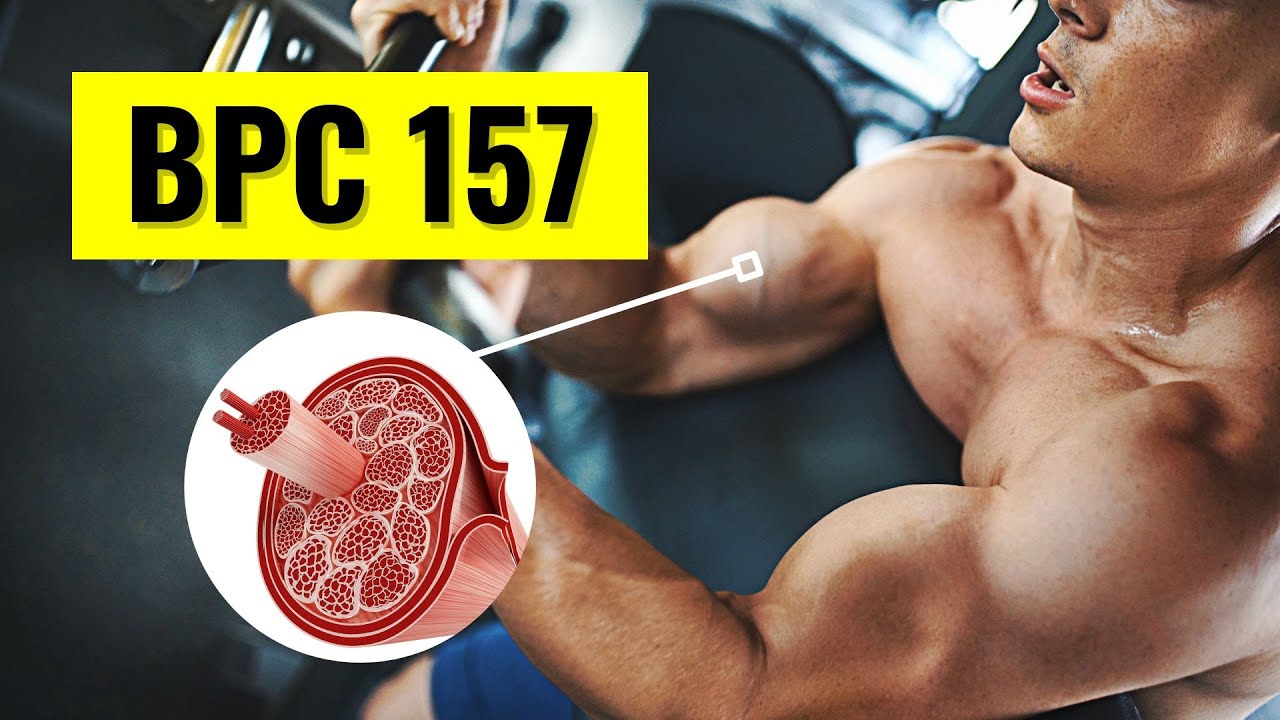
BPC-157 (Body Protection Compound-157) is a synthetic peptide derived from a naturally occurring protective protein found in human gastric juice. It consists of 15 amino acids and has become one of the most widely discussed peptides in regenerative medicine and recovery research.
BPC-157 has gained attention for its potential role in supporting tissue repair, recovery, gut health, tendon healing, ligament support, muscle recovery, and inflammation management. While numerous animal studies have demonstrated promising results, BPC-157 remains an investigational peptide and has not been approved by major regulatory agencies for human therapeutic use.
How BPC-157 Works
BPC-157 appears to influence several biological pathways involved in healing and tissue repair.
Research suggests it may:
✅ Support angiogenesis (formation of new blood vessels)
✅ Promote cellular repair processes
✅ Support collagen production
✅ Enhance tendon and ligament healing
✅ Support muscle recovery
✅ Promote gastrointestinal tissue repair
✅ Support healthy inflammatory responses
Its ability to interact with multiple healing pathways is one reason it has become highly popular in recovery-focused communities.
Potential Benefits of BPC-157
1. Tendon & Ligament Support
One of the most commonly discussed uses of BPC-157 is support for tendon and ligament recovery.
Research has investigated its effects on:
✔ Rotator cuff injuries
✔ Tennis elbow
✔ Achilles tendon injuries
✔ Knee ligament recovery
✔ Sports-related injuries
Many athletes and active individuals explore BPC-157 because tendons and ligaments typically heal slowly due to limited blood supply.
2. Muscle Recovery
BPC-157 has been studied for its ability to support:
✔ Muscle repair
✔ Recovery after intense training
✔ Soft tissue healing
✔ Exercise recovery
3. Joint Support
Researchers have explored its potential role in supporting:
✔ Joint comfort
✔ Mobility
✔ Connective tissue health
✔ Cartilage repair pathways
4. Gut Health Support
Because BPC-157 originates from a gastric protein, it has generated significant interest for gastrointestinal health research.
Areas investigated include:
✔ Gastric tissue repair
✔ Intestinal lining support
✔ Gut inflammation research
✔ Digestive tract recovery
5. Recovery After Injury
BPC-157 is frequently studied for:
✔ Muscle strains
✔ Tendon injuries
✔ Ligament injuries
✔ Surgical recovery support
✔ Overuse injuries
Why Is BPC-157 Popular?
BPC-157 is unique because it may simultaneously influence:
🧬 Blood vessel formation
🧬 Tissue regeneration
🧬 Collagen synthesis
🧬 Inflammatory signaling
🧬 Cellular healing pathways
Few peptides are investigated across such a broad range of recovery applications.
BPC-157 Dosage
Important
BPC-157 is an investigational peptide and there is no FDA-approved dosage for human use.
The information below reflects commonly discussed research and wellness protocols and should not be considered medical advice.
Common Research Protocols
Conservative Protocol
250 mcg daily
Standard Protocol
250–500 mcg daily
Advanced Protocol
500 mcg twice daily
Typical Cycle Length
Most protocols range from:
4–12 weeks
depending on goals and individual circumstances.
Where To Inject BPC-157
BPC-157 is typically administered via subcutaneous injection.
Common Injection Areas
Abdomen
Most commonly used site.
Inject into fatty tissue.
Thigh
Front or outer thigh area.
Upper Arm
Back of the upper arm.
Localized Injection Approach
Many users choose to inject near an injured area such as:
✔ Shoulder
✔ Knee
✔ Elbow
✔ Ankle
✔ Hip
However, scientific evidence has not conclusively shown that local injections are superior to standard subcutaneous administration.
Best Time To Take BPC-157
Common approaches include:
Morning
Many users take BPC-157 after waking.
Before Bed
Others prefer evening administration.
Split Dosing
Some protocols divide doses into morning and evening administrations.
Consistency is generally considered more important than exact timing.
What To Expect During Treatment
Week 1
Many users report:
✔ Minimal visible changes
✔ Improved comfort around injured areas
✔ Better recovery after training
Weeks 2–4
Common reports include:
✔ Improved mobility
✔ Reduced stiffness
✔ Enhanced recovery
✔ Improved training tolerance
Weeks 4–8
Many users observe:
✔ Greater functional improvement
✔ Continued recovery progress
✔ Better joint comfort
✔ Improved exercise performance
Weeks 8–12
Longer-term users often report:
✔ Ongoing recovery support
✔ Improved connective tissue function
✔ Greater resilience during activity
Individual responses vary significantly.
Common Side Effects
BPC-157 is generally considered well tolerated in available studies and anecdotal reports.
Possible side effects include:
Injection Site Reactions
✔ Redness
✔ Swelling
✔ Bruising
✔ Mild discomfort
Headache
Some users report mild headaches.
Dizziness
Occasionally reported.
Nausea
Usually mild if it occurs.
Fatigue
Temporary fatigue has been reported by some users.
Serious Side Effects
Long-term human safety data remains limited.
Because BPC-157 is still investigational, unknown risks may exist.
Seek medical attention if you experience:
⚠ Severe allergic reactions
⚠ Difficulty breathing
⚠ Significant swelling
⚠ Severe dizziness
⚠ Persistent adverse symptoms
BPC-157 and Recovery Stacking
BPC-157 is commonly discussed alongside:
TB-500 (B4 Acetate)
Often used in recovery-focused protocols.
GHK-Cu
Investigated for tissue repair and skin support.
KPV
Studied for inflammatory pathway support.
Growth Hormone Secretagogues
Sometimes discussed in advanced recovery protocols.
Research on combination protocols remains limited.
Who Should Avoid BPC-157?
BPC-157 may not be appropriate for:
❌ Pregnant women
❌ Breastfeeding women
❌ Individuals with known allergies to peptide ingredients
❌ Persons with serious medical conditions unless supervised by a healthcare professional
Frequently Asked Questions
Is BPC-157 FDA Approved?
No.
BPC-157 is not approved by the FDA for human therapeutic use and remains a research peptide.
How Long Does BPC-157 Take To Work?
Some users report noticeable effects within several weeks, while others require longer treatment periods.
Can BPC-157 Help Tendons?
Much of the interest surrounding BPC-157 stems from research involving tendon repair and connective tissue recovery.
Can BPC-157 Be Taken Orally?
Oral formulations exist, but injectable administration is generally considered the most commonly used approach in research settings.
Does BPC-157 Build Muscle?
BPC-157 is not an anabolic peptide. Its primary interest lies in recovery and tissue repair pathways rather than direct muscle growth.
Why Choose Oak Peptides Pharmaceuticals?
At Oak Peptides Pharmaceuticals, we are committed to providing premium-quality peptide products, scientific education, and professional customer support.
✔ Premium Quality Standards
✔ Advanced Biotechnology Solutions
✔ Nationwide Delivery Across Kenya
✔ Professional Customer Support
✔ Trusted Peptide Supplier
✔ Commitment to Scientific Excellence